CS2 Mid-Round Weapon Pickups: Improve the Task Without Losing the Angle
A weapon on the ground can be useful or distracting. Compare ammunition, familiarity, objective time and the exposure required to collect it before treating a more valuable-looking item as an automatic upgrade.
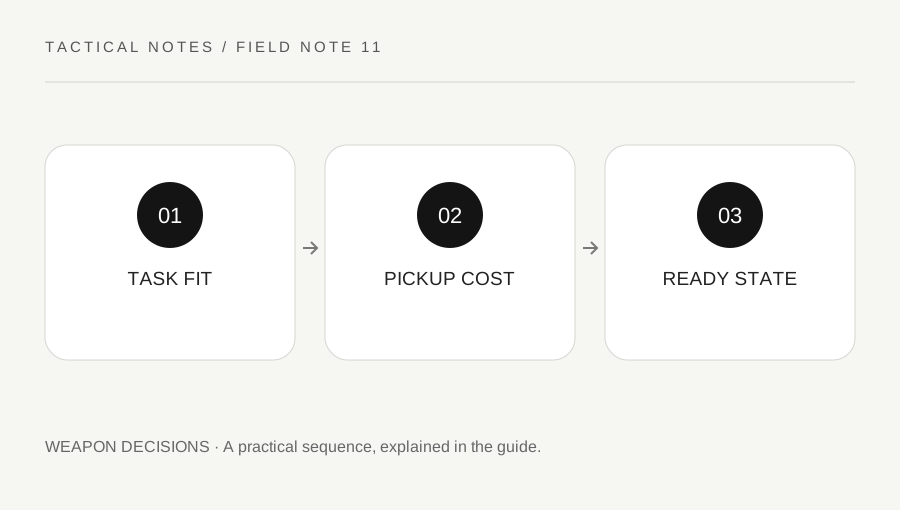
Original explanatory diagram. Examples illustrate a method or decision; they are not claims of personal testing.
Identify what the current weapon cannot do
Name the problem: ammunition, range, a familiar role or another relevant function. A dropped item is an improvement only in relation to the next task. Price or rarity alone does not explain whether it is useful in the current position.
Read the actual weapon and ammunition display after a pickup. The current reload system makes reserves important, and a found weapon is not guaranteed to arrive in a state that supports the planned exchange. Do not assume a familiar model means a full usable supply.
This page concerns the decision during a round, separate from the site's buy-round economy guide. The immediate question is whether collecting and using the item improves the objective enough to justify the attention, movement and readiness it costs.
Inspect the route to the item
Check the angles that see the dropped weapon and the cover available afterward. Moving into open space to collect an item can surrender the position that was already winning the encounter. A teammate may need the same route or depend on your current view.
Communicate the intention briefly when it changes support. Do not leave an angle without notice simply because a desirable item appears. The remaining objective time can also make a detour unsuitable even if the path seems quiet.
For a worked example, a player has a usable weapon and a strong supporting position, while a different weapon lies across an exposed lane. They compare the task benefit with the crossing risk instead of treating the pickup as mandatory. The correct outcome can be leaving the item where it is.
Check readiness after the change
Once the pickup is supported and completed, identify the active weapon, ammunition and any control change relevant to using it. An unfamiliar firing behavior or empty magazine can create a problem if the player assumes the new item is instantly ready.
Use cover for any necessary inspection or supported reload, and remember that reloading itself has a resource and timing cost under current rules. Do not compound one rushed pickup with an automatic reload in the open.
If passing an item to a teammate is part of the plan, make the handoff location and timing clear. A well-intended drop can still distract both players or place the item where the intended recipient cannot reach it safely. Keep the objective and supporting views in control of the exchange.
Review whether the pickup changed the useful outcome
After the round, ask what the item enabled and what was lost while collecting it. A later elimination with the new weapon does not prove the pickup route was sound, while leaving an item behind can be correct when the original kit served the task.
Choose one practice target if the change exposed an execution gap, such as recognizing the active weapon or checking the ammunition display. Use supported practice rather than changing the full loadout after every round.
Finish with function, exposure and ready state. Those labels turn weapon pickups into a deliberate part of round management. A useful mid-round upgrade supports the actual objective from a position the player can still use, rather than becoming a chase for equipment value that abandons time, cover and team support.
A practical checklist
Choices are saved in this browser. Reset them here or clear this site’s browser storage.
Questions that come up
Is a more expensive weapon always a useful pickup?
No. Task, ammunition, familiarity and collection risk matter in the current round.
Can I assume a found weapon is fully supplied?
No. Inspect the actual loaded and reserve ammunition.
Should I cross an exposed lane for every upgrade?
No. Compare the benefit with position, support and objective time.
References & scope
Background references checked on 18 October 2026. Worked examples and diagrams are original teaching material.