CS2 Economy and Buy Rounds: Spend With the Team, Not in Isolation
The CS2 economy is a team resource system even though each player presses their own buy buttons. A powerful personal weapon can be a weak purchase if the rest of the squad cannot support the same round. This guide provides original decision examples rather than a permanent price or reward table. Official references were reviewed on October 18, 2026. Valve's legacy economy resources establish historical concepts; current CS2 prices, loss rewards and mode-specific rules must be read in the client.
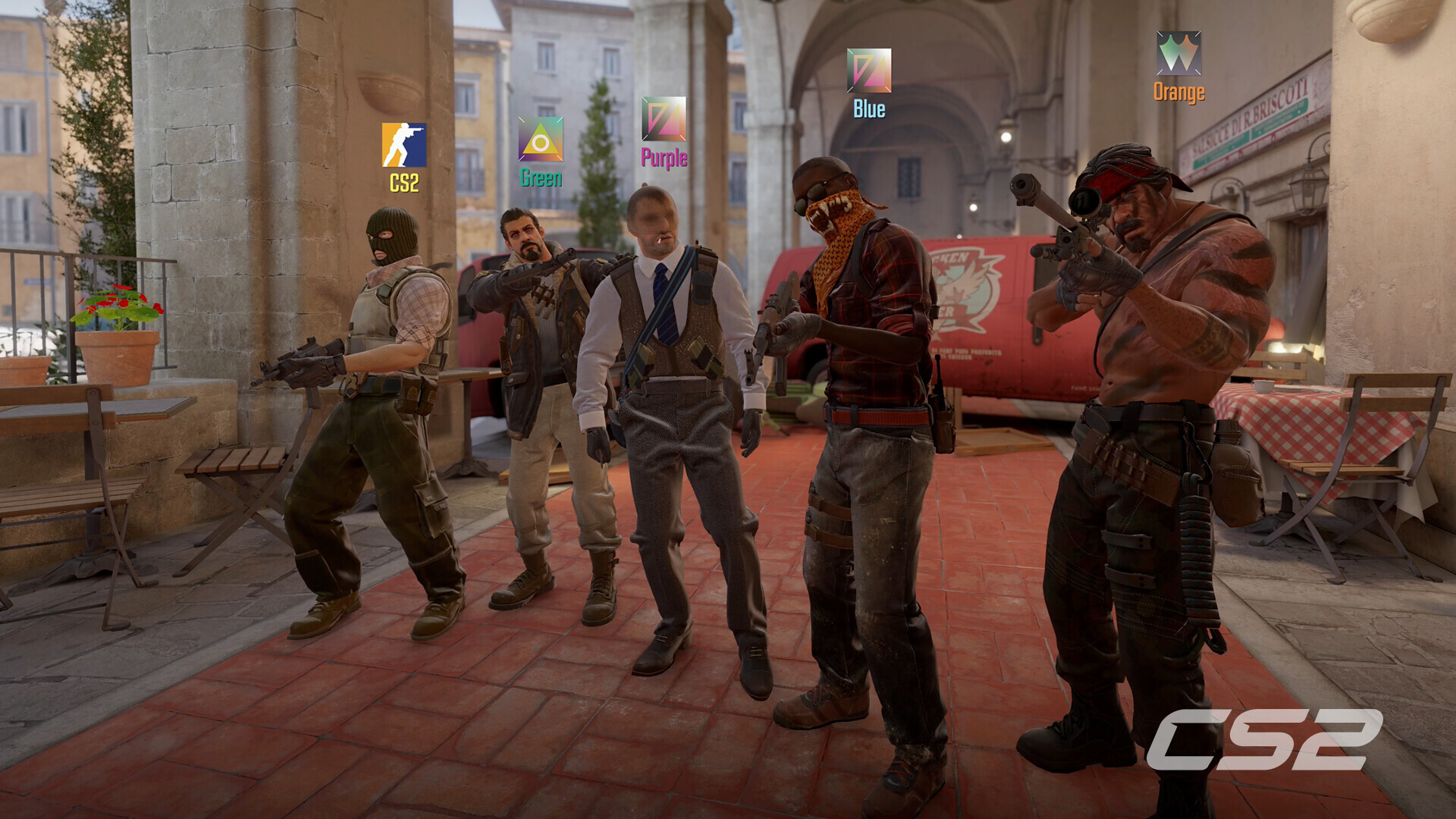
Official game screenshot · Valve. Publisher-provided public store media used to illustrate independent editorial discussion. Copyright remains with the respective rights holders; no redistribution license is offered.
Look at five inventories before making one purchase
During freeze time, inspect the team's money and retained equipment. A teammate who survived may already have a strong weapon, while another needs armour and a basic purchase. Ask for the intended round plan before buying a favourite item. The useful question is what the team can field together: weapons, protection and enough utility for the planned route. Do not assume a single expensive rifle creates a full buy. Likewise, do not force a healthy economy into a weak round because you personally spent too much previously. Make the shared situation visible through a concise buy, save or limited-buy discussion.
Understand full buy, save and limited investment as plans
A full buy aims to equip the team for a realistic objective attempt. A save protects resources for a later stronger round. A limited investment uses only what fits a deliberate next-round budget while pursuing a specific opportunity. These are descriptions of intent, not exact item lists that apply to every patch. A force buy commits more aggressively despite constraints and should be agreed rather than happening because one player clicked early. The labels matter less than shared expectations. Five players following a coherent modest plan can coordinate trades and objectives better than a mixture of unrelated purchases.
Budget for the entire job, including utility
Before buying the main weapon, consider armour, necessary grenades and a defuse kit when appropriate to your side and role. The current buy menu shows actual prices and availability; use those values instead of an old spreadsheet. An expensive weapon without the utility required to cross a held passage may solve only half the problem. Avoid buying every grenade automatically if you have no role for it. A small set you can use at the right moment is more helpful than a complete belt that remains unused after an early death. Reserve enough time to communicate before the round begins.
Use dropping and retained equipment to balance the squad
If you have spare money or an extra retained weapon, consider a teammate's shortage before adding a luxury purchase. Ask what they can use and check that a drop is actually needed. Place or transfer it safely during the appropriate buying phase instead of scattering equipment without communication. A teammate may be saving for a reason, so confirm the shared plan rather than overriding it. When receiving a weapon, account for your own armour and utility. The objective is a more functional five-player round, not equal spending or identical inventories. Keep the team's next purchase window in mind while distributing resources.
Choose risk according to the investment
On a strong buy, preserve the conditions that made the investment useful: trade spacing, sensible utility and an objective plan. On a limited round, a close coordinated route may create a more plausible opportunity than separate long-range duels with weak equipment. The plan still depends on the map and information; it is not permission for a reckless rush every time money is low. If the round becomes unwinnable, consider whether retaining valuable equipment provides a better next opportunity than attempting an impossible fight. Read the timer and objective state carefully because passive survival is not automatically the right economic choice in every mode or side.
Work through an uneven-money example
Suppose two teammates retain rifles, one can buy comfortably and two have little money. Instead of all five buying independently, the team can inspect whether spare funds and retained weapons create a supported purchase with basic utility. If that is not possible, agree on a modest investment that preserves the following round. The exact answer depends on current prices, side and equipment, so calculate from the buy menu. What should not happen is one player buying an expensive unsupported weapon while the others save without knowing. The improvement is coordinated information and a shared time horizon, not a supposedly perfect rule for every money total.
Review economy through several connected rounds
A buy decision cannot be judged only by whether that round happened to be won. Review what information the team had, whether the purchase matched the plan and what happened to the next round's equipment. A lucky low-resource win does not prove that every force buy was sensible; a lost full buy does not automatically mean saving would have been better. Note recurring problems such as missing utility, uncommunicated drops or repeated solo purchases. Fix one team habit, such as declaring the plan before buying the primary weapon. Consistent coordination makes the economy easier to understand even when rewards or prices change.
Your working checklist
Checkmarks stay in this browser when storage is available. They do not alter your game or connect to your account.
Put it into practice
- Inspect team money and retained weapons before purchasing your preferred item.
- Agree on a full buy, save or bounded investment using current prices.
- Budget for armour and useful role-specific utility as well as the main weapon.
- Distribute spare equipment deliberately and confirm what each player still lacks.
- Review the purchase across connected rounds instead of judging it only from one win or loss.
Before you finish
- The team understands the round investment before individual purchases diverge.
- Current prices and rewards are read from the selected mode rather than copied from CS:GO.
- Utility and protection support the chosen route, and purchases are not only weapon upgrades.
- A limited buy has a defined next-round intention instead of being an accidental half-commitment.
Common questions
Should I always buy a rifle when I can afford one?
Consider whether you can afford the rest of the role and whether teammates can support the same round. A rifle purchased in isolation may weaken the following opportunity. Inspect team resources and agree on the intended investment first.
Is a save round the same as giving up?
No. It preserves resources and can still pursue a realistic coordinated opportunity with the equipment available. The important constraint is not spending away the next planned buy without agreement. Use the round to create pressure or learn useful information responsibly.
Can I use an old CS:GO economy chart?
Only as historical context. CS2 rules, prices and rewards can differ or change. Use the current buy menu and mode information for actual calculations, then apply the transferable principle of coordinating present equipment with the next round.