CS2 Map Callouts: Learn One Route and Give Information Teammates Can Use
A callout is useful when a teammate can turn it into a decision. Memorising dozens of labels without understanding the routes between them is less helpful than knowing one area well. This guide offers an original map-learning routine for CS2, with official references checked on October 18, 2026. Maps and terminology can change, and communities may use different names. Use current in-game location information and agree on simple descriptions when a historical callout is unfamiliar.
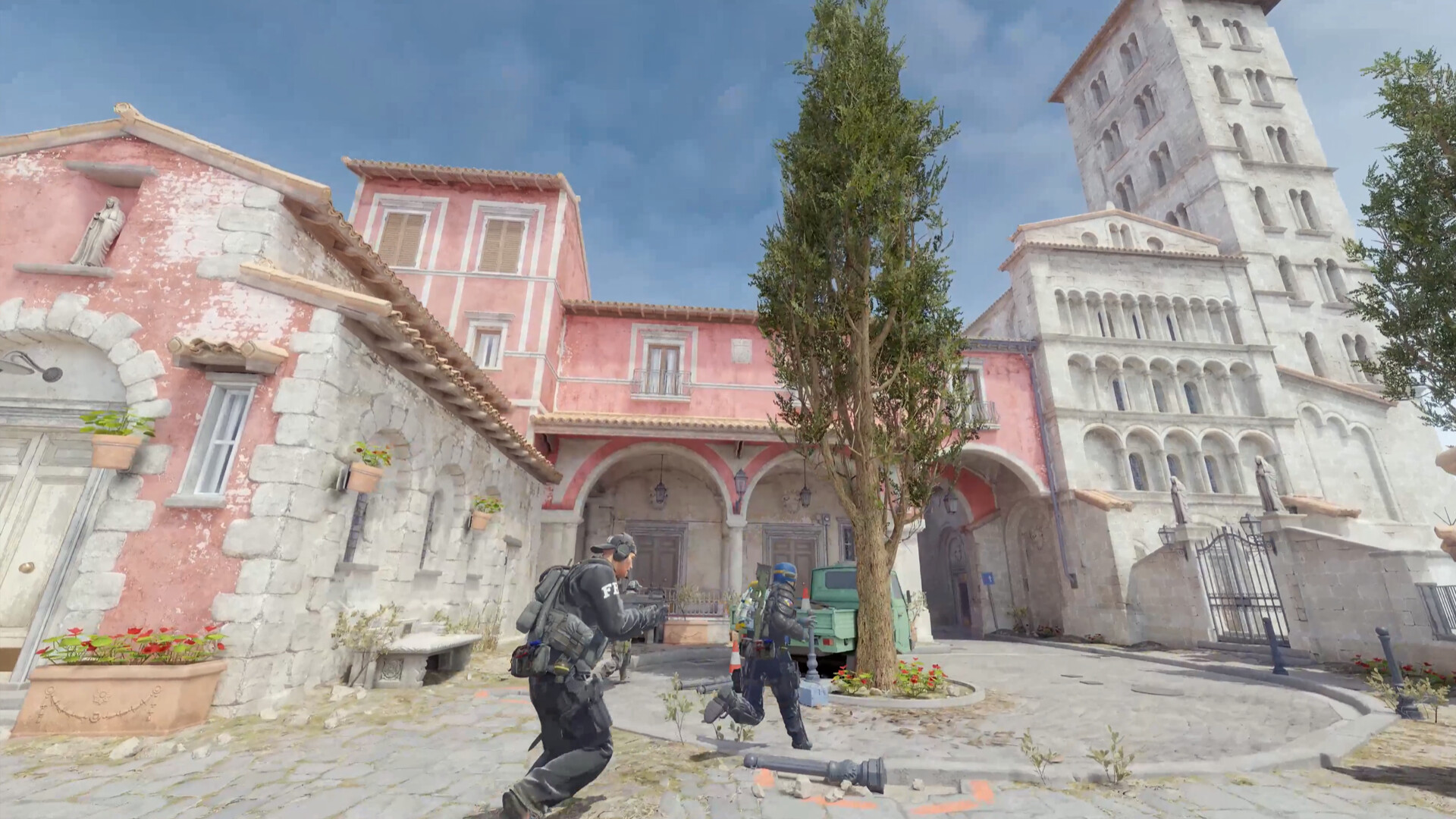
Official game screenshot · Valve. Publisher-provided public store media used to illustrate independent editorial discussion. Copyright remains with the respective rights holders; no redistribution license is offered.
Learn the map as connected routes
Start at a spawn and walk one route to a bombsite in practice. Identify the major entrances, a central junction, a rotation path and a way to retreat. Then walk the same route in the opposite direction so the relationship is not tied to one view. Note changes in elevation and which positions can see each crossing. A label becomes easier to remember when it is attached to a decision, such as the corner that must be cleared before entering the site. Do not begin by trying to recite the whole map. Build a small usable route, then add adjacent areas as you play them.
Use current location labels and shared descriptions
Check the current radar and location information available in the client, then compare it with the names your teammates use. If someone says an unfamiliar callout, ask briefly during a safe moment or between rounds. In the action, use an unmistakable description such as upper doorway toward the site rather than confidently repeating the wrong name. Avoid importing a CS:GO diagram without checking the updated geometry. The purpose is mutual understanding, not proving knowledge of community vocabulary. A simple name agreed by five players is more useful than a technically fashionable label that half the team interprets differently.
Report what you saw before adding an interpretation
A strong call usually begins with location and confirmed enemy information: one seen at the upper entrance, moving toward the site. Add the direction or relevant action if it changes the team's response. Distinguish confirmed observation from a sound or an estimate. Hearing footsteps does not prove the whole opposing team is present, and seeing one player leave does not prove the area is empty. Keep uncertainty explicit with words such as heard or last seen. This prevents teammates from rotating on a guess that was accidentally delivered as certainty. Do not flood communication with an entire story while the fight continues.
Keep information fresh and useful
Enemy positions decay as information: an opponent last seen several moments ago may already have moved. If you know they left, update the call. If you died, report the location and direction at the moment of contact, then avoid directing every action of the surviving player. They have their own sound and view. Keep damage claims tied to what the game actually confirmed; do not invent exact remaining health. An honest uncertain call is more useful than a confident wrong one. Use the radar as a second information source, while remembering that teammate visibility and their orientation do not automatically mean an area has been fully cleared.
Practise with a small recognition loop
Choose a few adjacent positions and name them while walking between them in practice. Stop at each location and state which entrances connect to it. Then approach from another side and identify it again. If you have a willing practice partner, take turns describing a position without pointing directly at it and see whether the other player reaches the intended place. Keep the exercise short and connected to a map you actually queue. The test is whether the call allows a route or angle decision, not whether you can memorise a diagram's spelling. Add another area only when the first group is reliable.
Use a realistic information example
Suppose you hear footsteps near a corridor and then see one opponent cross toward a site. A useful call is one crossing corridor toward the site, more footsteps heard. It preserves the distinction between a confirmed player and an uncertain count. Saying all on site may pull every defender away from another objective on incomplete evidence. On attack, a call that one defender is retreating may create an entry window, but teammates still need to clear the unresolved close positions. Information supports a decision; it does not remove the need to inspect what remains unknown. Short accurate updates help the squad maintain that distinction.
Review misunderstandings without turning them into blame
If a teammate arrives at the wrong place, ask whether the name was ambiguous, the direction was missing or the information was already old. Correct the shared wording between rounds. If a map changes, update your route notes instead of treating the old label as sacred. Keep a small personal list of the areas that caused confusion and revisit those in practice. During live action, prioritise essential information over explaining terminology. Learning callouts is an ongoing coordination skill. A player who communicates a few current positions accurately contributes more than one who knows every label but exaggerates what happened.
Your working checklist
Checkmarks stay in this browser when storage is available. They do not alter your game or connect to your account.
Put it into practice
- Walk one route in both directions and identify the positions that affect your next decision.
- Learn the current labels and ask about unfamiliar community names between rounds.
- Call location, confirmed count and useful direction while marking sounds or guesses as uncertain.
- Update information when an opponent moves and keep post-elimination communication brief.
- Review ambiguous calls and add only the next connected map area to your practice.
Before you finish
- A call identifies a usable place rather than only saying over there or behind.
- Confirmed sightings are separated from footsteps, estimates and last-known positions.
- The map geometry has been checked in the current client.
- Communication leaves teammates room to hear the game and make their own decisions.
Common questions
Do I need every callout before playing a map?
No. Learn the major routes and the area you expect to play, then expand. Use clear shared descriptions for gaps in your vocabulary. Accurate limited knowledge is better than confidently using labels you do not understand.
What if teammates use different names?
Agree on the meaning during a safe moment. Community labels vary by region and group. A plain description that identifies the correct doorway or platform can solve the immediate problem while you learn the local terminology.
Should I keep talking after I die?
Give the useful confirmed information first, including where the opponent was and what direction they moved. Then keep quiet unless new relevant information is genuinely available. Continuous instructions can mask sound and distract the surviving teammate.