CS2 Demo Review Routine: Find One Decision You Can Actually Improve
A replay is valuable when it changes your next decision, not when it becomes an hour of criticising every teammate. This original review routine focuses on a few rounds and one actionable correction. Official CS2 update references were checked on October 18, 2026, including recent replay-viewer changes. Controls and demo compatibility may change. Use the current in-game watch interface and legitimate recordings you can access; this guide does not require third-party account access or an external paid analyser.
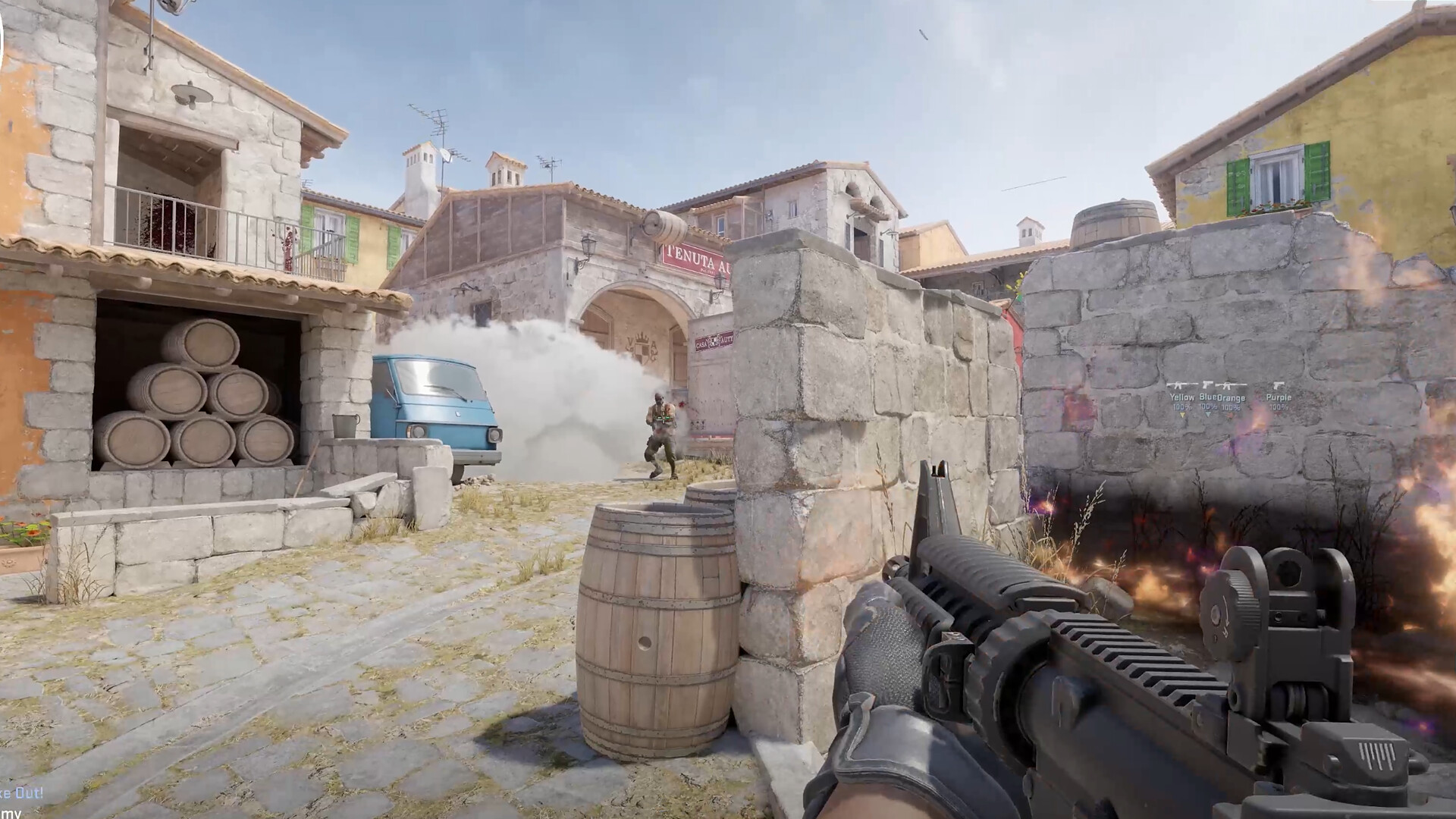
Official game screenshot · Valve. Publisher-provided public store media used to illustrate independent editorial discussion. Copyright remains with the respective rights holders; no redistribution license is offered.
Choose a question before opening the replay
Select a small problem from a recent match: repeated early deaths on one route, late rotations, unused utility or an ineffective post-plant position. Choose a few relevant rounds rather than watching the whole match without a purpose. A clear question determines where to pause and what evidence matters. For example, why was I exposed to two angles on the first contact is more useful than why did we lose. Do not begin with the assumption that a teammate caused the result. Your own controllable action is the most reliable target for a practice change, even when the round also contained mistakes elsewhere.
Start from your original point of view
Watch the lead-up with the information you actually had: your view, radar, sound and any communication available in that recording. Do not immediately enable knowledge of every opponent and then judge your past self for failing to know it. Valve has changed what chat is readable in demos, so missing team text should not be treated as proof no communication occurred. Record the uncertainty honestly. The important question is whether your decision was reasonable from the available evidence, not whether it matched the hidden enemy position you can see only after the fact. Hindsight can reveal outcomes while still producing a poor lesson.
Pause before the mistake becomes irreversible
Find the moment just before the duel, rotation or objective interaction. Inspect crosshair placement, movement state, equipment readiness and nearby cover. Ask what alternatives were still available. If you pause only after the final missed shot, you may overlook the earlier wide peek that exposed three positions or the unnecessary reload that removed your chance to trade. Follow the sequence backward until you find a decision you could realistically change. Keep the alternatives modest: moving one step back or waiting for a teammate is often more actionable than inventing an elaborate strategy that required information you never possessed.
Use other views to answer a narrow factual question
After evaluating your own information, inspect another perspective if it helps answer something specific: which angle could see the crossing, whether a smoke left a gap or how long a teammate needed to reach you. Distinguish that finding from what you could have known live. Current replay tools may allow paused camera inspection, but menu behaviour and compatibility can vary with updates. Use the visible controls rather than copying old key sequences blindly. Do not infer cheating or intention from one odd-looking replay moment. Network, spectator and recording behaviour can complicate a visual impression; this review is for improving your decisions.
Translate the observation into a small practice task
Convert the finding into a behaviour you can rehearse. Crosshair below the expected doorway becomes a short route-clearing drill. A smoke thrown before the team arrived becomes a communication cue before utility. Being too far to trade becomes a spacing adjustment with a teammate. Avoid notes such as aim better, stop dying or play smarter because they do not specify an action. Write the trigger and response: when approaching this junction, check the near corner before the distant site. The practice task should fit a few minutes and be recognisable in the next match, not require rebuilding your entire style.
Compare similar decisions rather than only final results
In the next session, look for another instance of the same situation. Did you use the new action, and did it preserve the intended option? You may still lose the duel, but better spacing or an earlier rotation can be a correct improvement. Conversely, a lucky elimination does not prove a poor peek became good. Review a few repetitions before drawing a broad conclusion. Keep the game mode and map context in mind because one position may behave differently on attack, defence or a changed map. The aim is a reliable process for similar problems, not a guarantee that every corrected decision wins the round.
End with a useful note and return to play
Limit the review to the chosen question, then save one clear lesson and one drill. If the replay will not load after an update, use a recent supported recording or make a brief factual note immediately after a future match; do not install unknown software to bypass the problem. Keep private team information and personal identifiers out of any public review clip. A short repeatable routine is easier to maintain than an ambitious analysis session you never repeat. Finish when you can state what you will do differently the next time the trigger appears. That is the practical output of the review.
Your working checklist
Checkmarks stay in this browser when storage is available. They do not alter your game or connect to your account.
Put it into practice
- Choose one recurring decision problem before opening the replay.
- Watch your own point of view first and separate live knowledge from later hidden information.
- Pause before the action becomes irreversible and inspect realistic alternatives.
- Use another view only to answer a specific factual question, then turn the finding into a small drill.
- Check whether the new behaviour appears in similar future situations, independently of a lucky win or loss.
Before you finish
- The review question concerns a controllable action rather than assigning blame.
- Missing demo communication is not treated automatically as absent live communication.
- The lesson names a trigger and response that can be practised.
- Unsupported demo tools, account sharing and accusations based on one visual oddity are avoided.
Common questions
Should I review every round?
Not at first. Choose a few rounds that share a specific problem. A focused review is more likely to produce a usable change than a long session that leaves you with twenty unrelated criticisms and no priority.
Why not start with all enemy positions visible?
That can make the original decision look foolish using information you never had. Evaluate your view first, then use other perspectives to answer narrow questions. Keep hindsight separate from what was reasonably knowable during the round.
What if an older demo stops working?
Demo compatibility and viewer controls can change. Prefer recent supported files and the current in-game watch route. If necessary, use a legitimate personal recording or immediate post-match notes for the same decision review rather than installing an unknown fixer.